Get quarterly updates on our programs, impact stories, and volunteer opportunities delivered to your inbox.

Across the districts where we work, awareness is turning into action. Our ongoing nutrition campaign brings together parents, health workers, and children in a shared mission to promote healthy eating practices and improve child nutrition from the ground up.
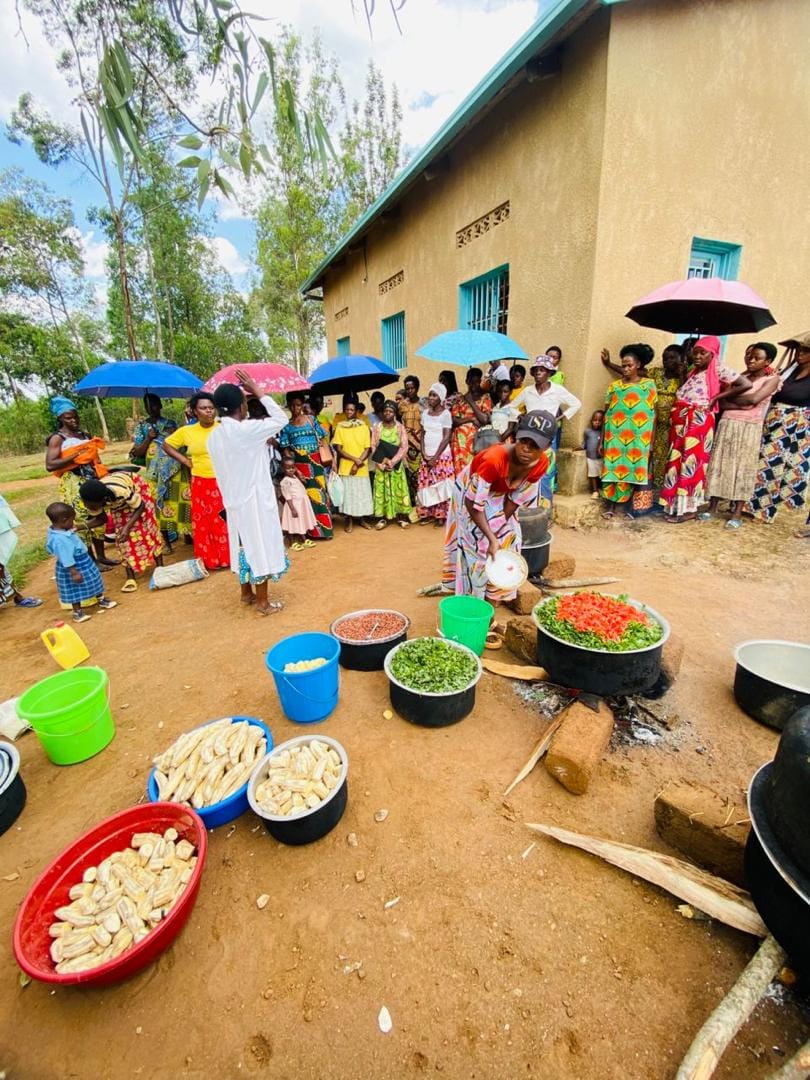
A community gathered around food
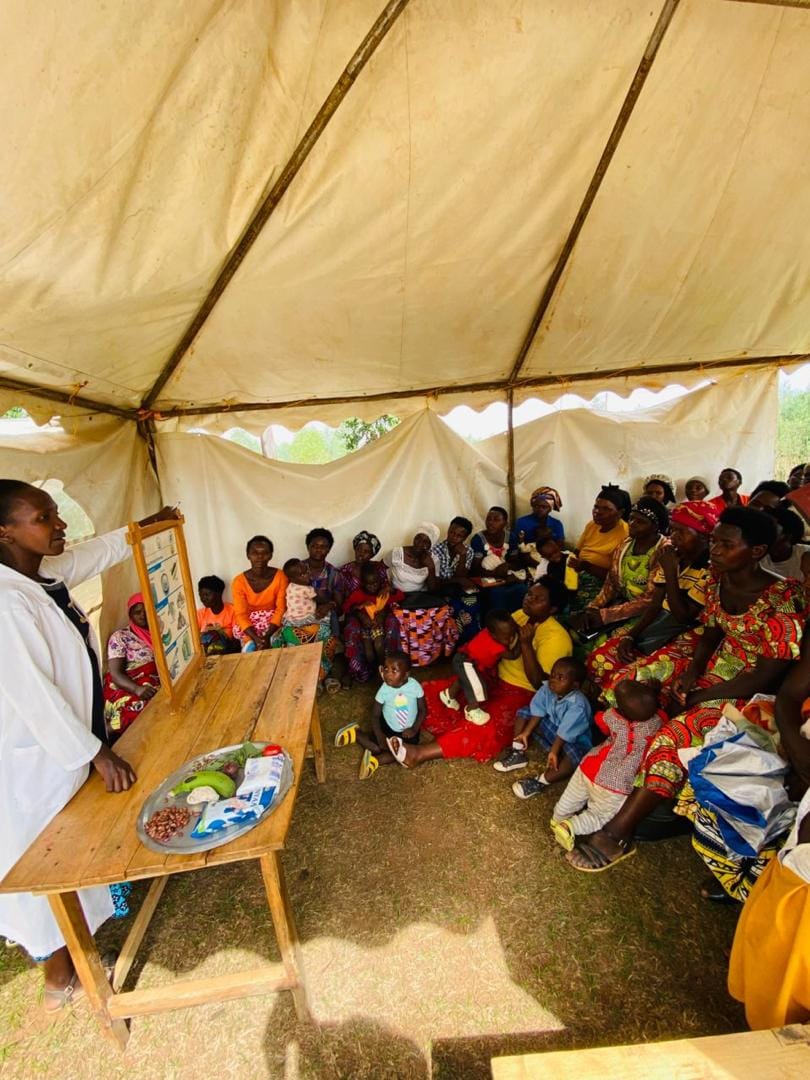
The campaign model is intentionally communal. Each event draws in the very people who matter most to a child's health: parents/caregivers who prepare meals at home, health workers who monitor growth and development, and the children themselves. By placing all three groups in the same space, the campaign creates a learning environment that is as practical as it is personal. Our nutrition sessions have families arrive to find health workers ready to guide them through the day's activities. The energy is warm and purposeful. What follows is more than a health talk— it’s a hands-on experience designed to translate nutrition knowledge into everyday action.
From raw ingredients to a balanced meal
At the heart of each campaign is a live cooking demonstration. Using locally available and affordable ingredients such as beans, fresh vegetables, tomatoes, onions, small fish, and bananas, health workers and facilitators guide participants through preparing a nutritionally balanced meal.
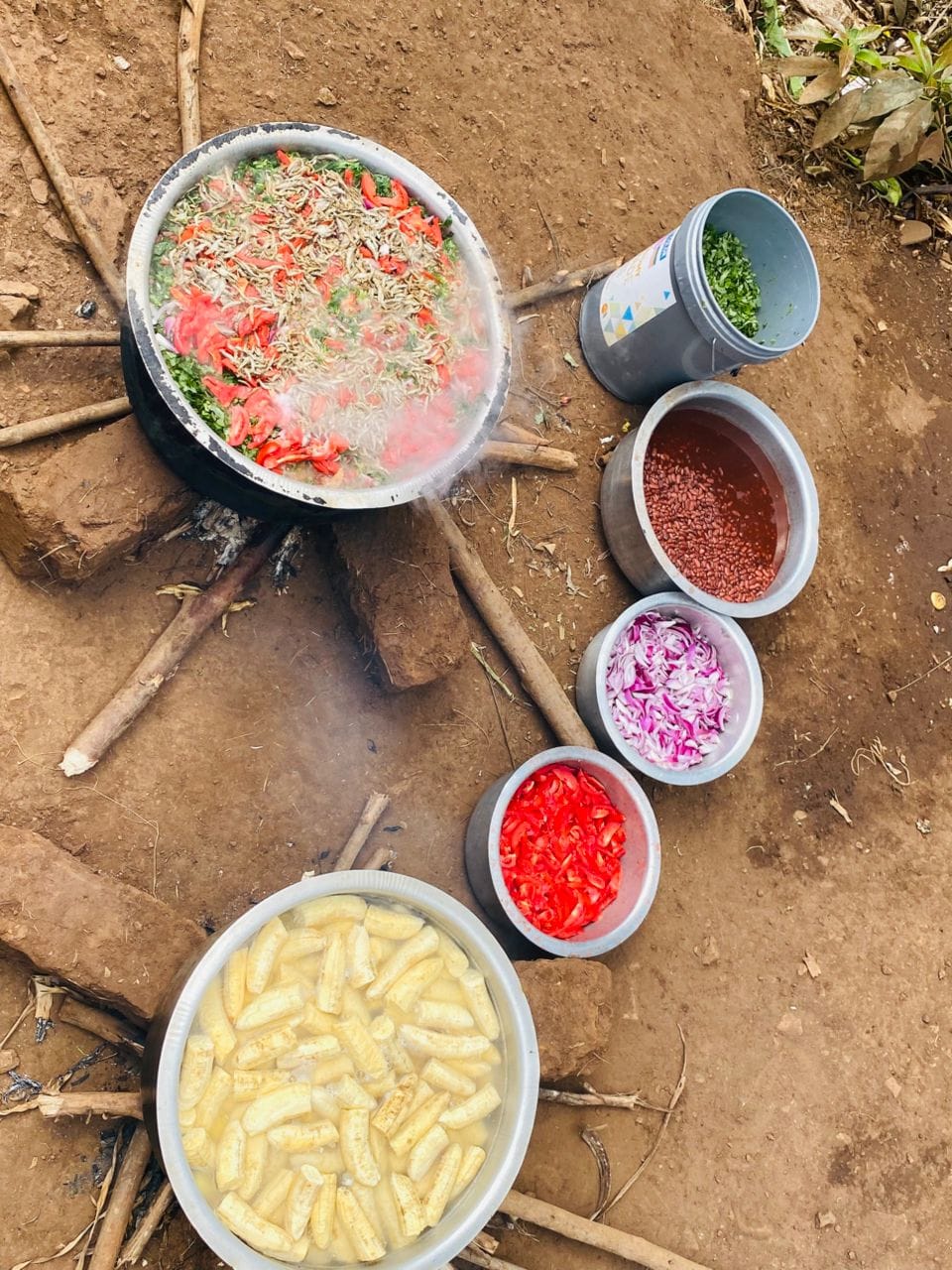
The choice of ingredients is deliberate. These are not exotic or expensive foods. They are items familiar to most households in the communities we serve, yet their nutritional value is often underestimated or underutilized. The demonstration shows parents and caregivers not just what to cook, but how to combine ingredients to maximize nutritional benefit for growing children. Beans provide plant-based protein and iron. Small fish add essential fatty acids and additional protein. Vegetables and tomatoes deliver vitamins and minerals. Bananas offer natural energy-boosting carbohydrates. Together, they form a meal that is balanced, accessible, and deeply rooted in local food culture.
Following the nutrition education session, the campaign shifts to one of its most critical components: nutritional screenings. Conducted by trained health workers, the screenings assess the nutritional status of children attending the event, using standard measurements to identify those who may be at risk of undernutrition or who require additional support and follow-up care.
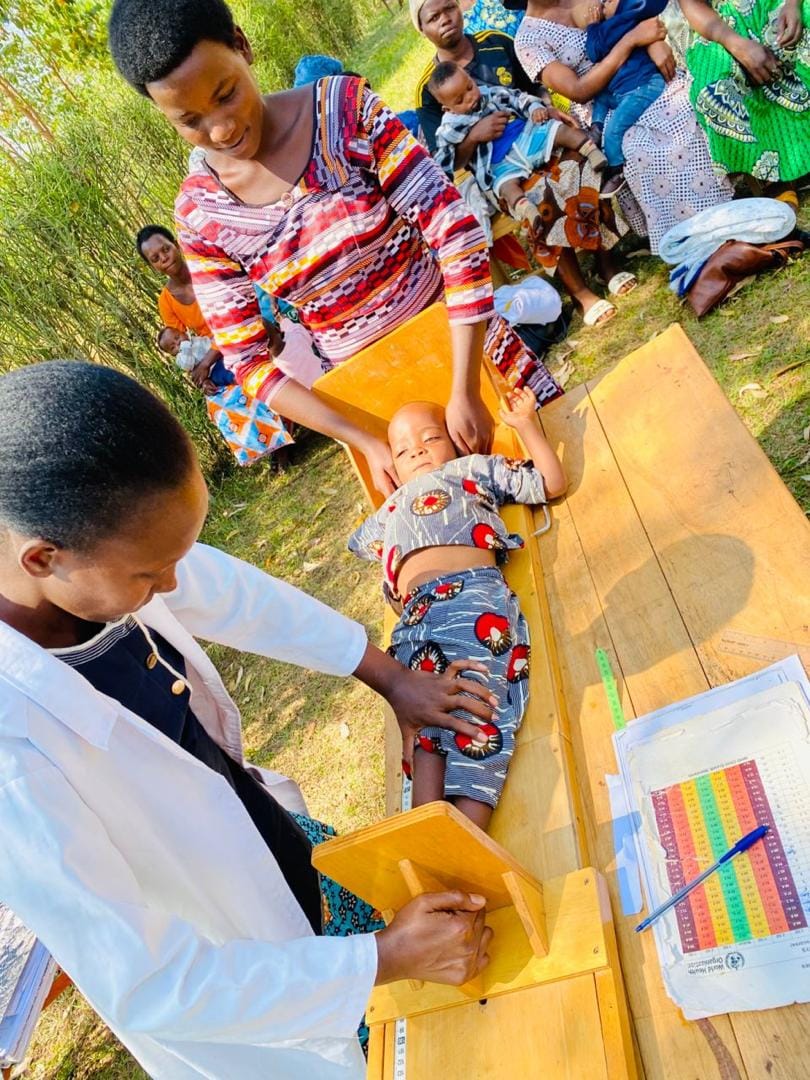
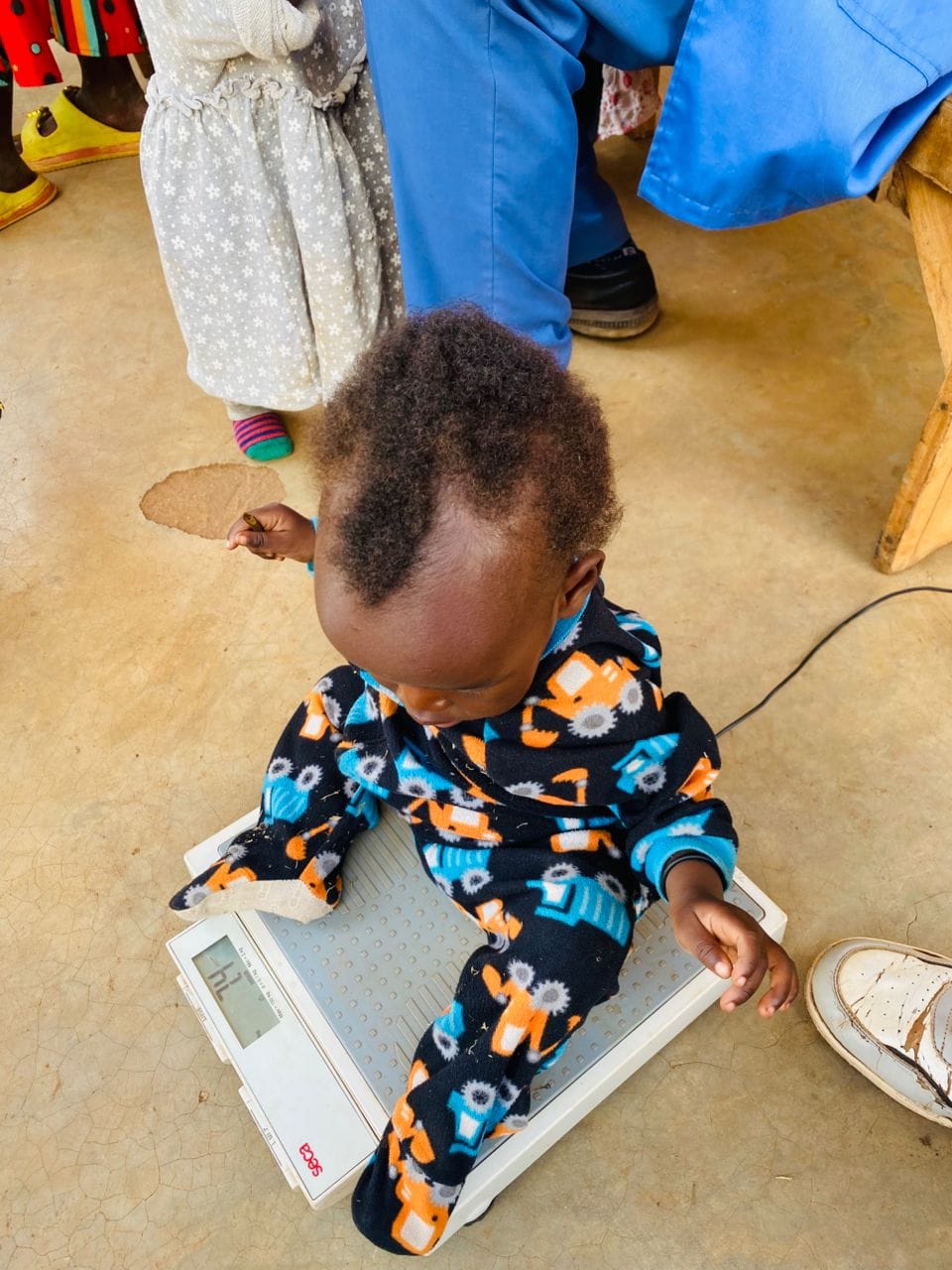
This step is a vital bridge between education and action. It allows health workers to move beyond general messaging and respond to the specific needs of individual children. Families who learn that their child requires further attention are connected to appropriate health services, ensuring the campaign has a lasting impact beyond the day itself.
Sharing the meal, reinforcing the message
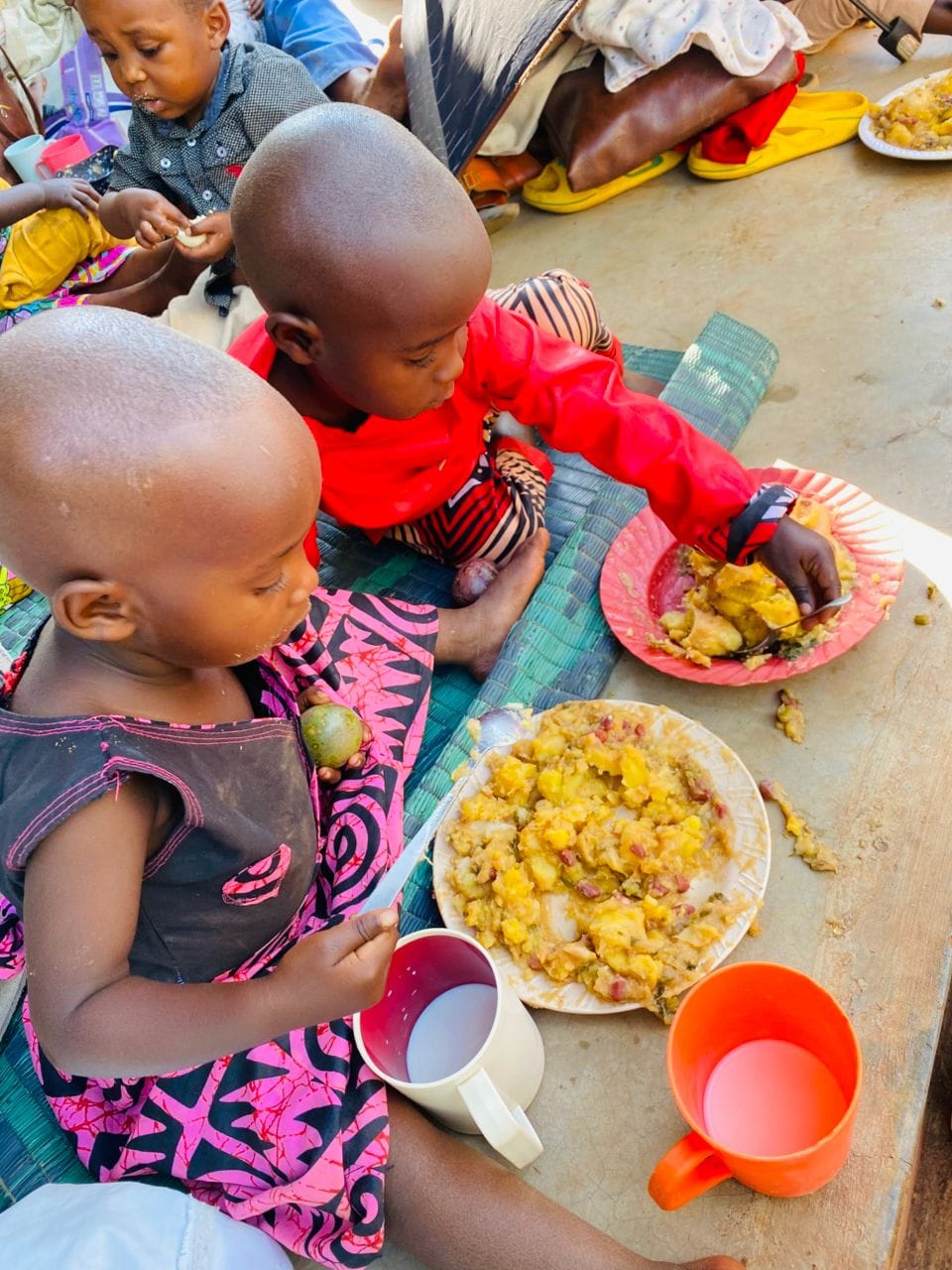
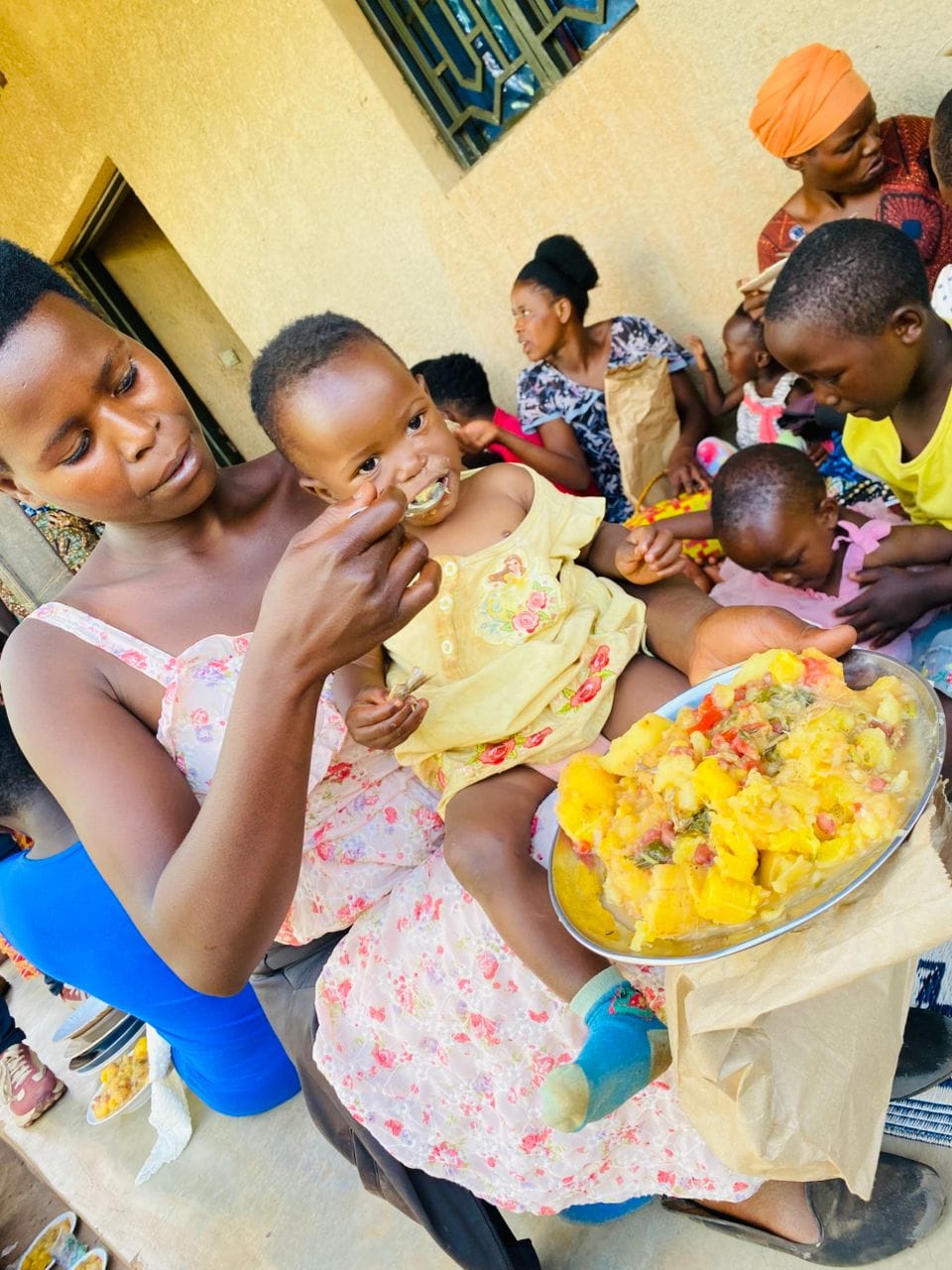
No campaign event concludes without its most meaningful moment—a shared meal. The food prepared during the cooking demonstration is served to both children and their parents, creating a communal dining experience that reinforces everything learned throughout the day. There is something uniquely powerful about eating together. For children, tasting the meal makes nutrition tangible and enjoyable. For parents, sitting beside their children and sharing a plate they helped make builds confidence; confidence that preparing a healthy meal for their family is not only possible, but achievable with what they already have. This shared meal is not just the conclusion of an event. It is the beginning of a habit.
A model scaling across districts
This is being implemented across all the districts where we work. Each session is adapted to the local context, using the ingredients that are most accessible within the community and addressing the health concerns most prevalent among children there, while maintaining the same core structure of education, demonstration, screening, and shared experience. The cumulative effect of these campaigns is significant. Over time, communities are building a shared vocabulary around nutrition.
Parents are making more informed choices at markets and in kitchens. Health workers are identifying at-risk children earlier. And children are growing up in households where a balanced plate is not an aspiration, but a norm.
Looking ahead
Child malnutrition remains one of the most pressing public health challenges in the region. But it is a challenge that responds to community action. These nutrition campaigns are proof that when knowledge, resources, and human connection come together in the same space, change is not only possible; it is already happening. We remain committed to deepening the reach of this work, strengthening our partnerships with local health facilities, and ensuring that every child in the communities we serve has the opportunity to grow well-nourished and full of potential.
All photos/WfW-R
